What Does Follow-Up Care Look Like After You Get a Prescription?
Receiving a prescription—whether from your GP, a specialist, or a private clinic like Releaf—is just the start of your treatment journey. Many people focus on the initial appointment, the medication itself, and the price they paid on day one. However, effective healthcare depends heavily on what happens afterwards. Follow-up care via review appointments, ongoing monitoring of side effects, and treatment adjustment are crucial steps to ensure your medication is working safely and effectively.
Why Follow-Up Care Matters: Assessment Before and After Treatment
The first prescription is never given in isolation. Before your doctor or clinician decides on a treatment, they need a comprehensive picture of your health. This includes:
- Your medical history
- Any previous treatments you have tried
- Current medications
- Lifestyle factors such as sleep, work stress, and daily routines
It’s like tailoring a suit rather than picking one off the rack. Only by assessing you fully can a healthcare professional select the best medication and dosage to minimise risks and maximise benefit.
The NHS website (nhs.uk) offers helpful guidance on this pre-treatment assessment process. Similarly, reputable private providers like Releaf include detailed consultations and assessments before prescribing, specialised for your condition.
Medical History and Prior Treatments Matter
Medical history isn’t just a list of previous illnesses—it includes how you reacted to specific medicines, allergies, and even your family’s health patterns. This data informs whether a drug might cause side effects or be ineffective for you. If you have tried medications before and found them unsuitable, your clinician needs to know this to avoid repeating the same mistakes.
Review Appointments: What to Expect
Once you have your prescription and start the medication, follow-up care kicks in through review appointments. These are essential for several reasons:
- Monitoring side effects: Some effects may not appear immediately but develop over weeks. Early detection can prevent complications.
- Assessing effectiveness: Not every medication works the same for everyone. A review helps track progress and adjust treatment accordingly.
- Supporting adherence: Treatment success depends on following your medication schedule. Regular check-ins help address difficulties like remembering doses or managing lifestyle changes.
Review appointments can vary from face-to-face consultations to phone or video calls, especially in settings like Releaf where telemedicine is used. The NHS also increasingly offers remote follow-ups to improve convenience and access.
Questions to Ask at Your Review Appointment
- Are the side effects I’m experiencing normal or cause for concern?
- Is the medication having the intended effect on my symptoms?
- Do I need any changes to dosage or additional treatments?
- Are there lifestyle advice or monitoring tools I should use?
- When is my next review appointment?
Treatment Adjustment is Part of the Process
If side effects are troublesome or the medication isn’t working, your healthcare professional may adjust the treatment. This could mean changing the dose, switching to a different drug, or adding complementary therapies. The key takeaway is that follow-up care is not a one-and-done arrangement but a dynamic process tailored to how you respond to treatment over time.
Understanding Realistic Costs Over the Treatment Timeline
A frequent misunderstanding is focusing only on the initial appointment price when budgeting for private healthcare. For instance, Releaf’s website clearly explains their pricing, but always look beyond the first session.
Good prescribing clinics will provide a full breakdown of costs covering:
- Initial assessment and prescription
- Review appointments for monitoring and adjustments
- Any additional tests or diagnostics needed
- Ongoing support or pharmacy fees
Similarly, the NHS provides free prescriptions in many cases, but there can be charges for follow-ups or specialist referrals depending on individual circumstances.
In other words, treat the total treatment course as the real cost—not just the upfront price you see when booking.
How to Use Clinic Websites and NHS Guidance Pages to Prepare and Follow Up
Before your first appointment, spend some time exploring clinics’ websites, like Releaf.co.uk, which provide comprehensive descriptions of treatment pathways, support services, and pricing transparency. NHS guidance pages https://smoothdecorator.com/should-i-tell-my-gp-about-a-private-prescription/ offer reliable information on what to expect, how to prepare for appointments, and when to seek urgent advice.
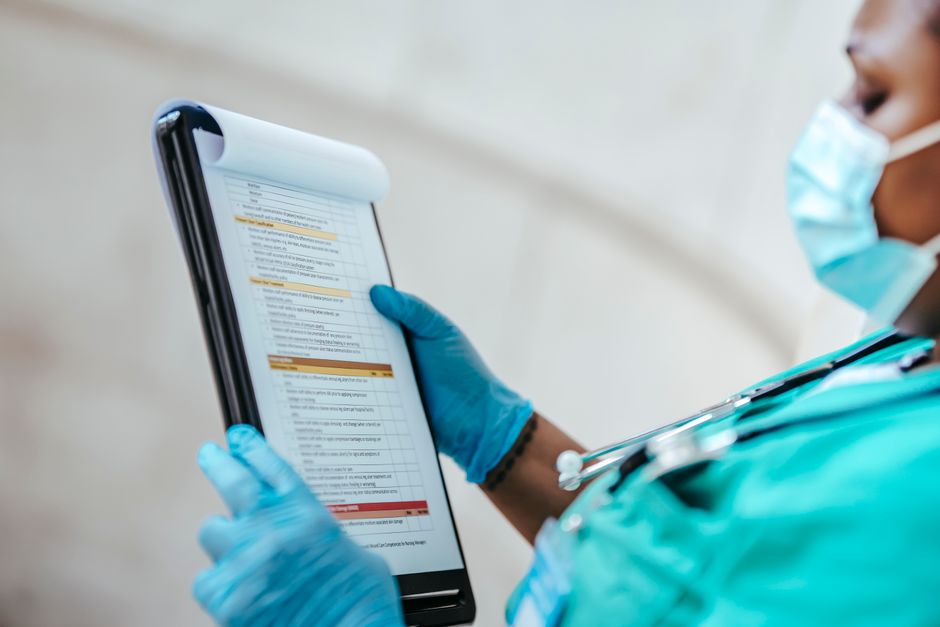
Use these resources to create your own checklist for consultations and follow-up, including:
- Symptoms tracking
- Side effects journal
- Questions about medication and lifestyle changes
- Scheduling next review appointment
Common Mistake: Focusing Only on Exact Appointment Prices
It’s tempting to shop around based on a single appointment fee, especially on social media or adverts promising “£49 consultations.” But transparency means showing the cost of the full course, including all reviews and tests. Otherwise, unexpected costs later can cause anxiety and discontinuation of treatment.
If prices aren’t clear on a clinic’s website or promotional material, ask for a detailed breakdown before booking. That way, you https://bizzmarkblog.com/how-do-i-describe-my-symptoms-so-they-are-useful-in-an-assessment/ can plan how long your treatment will last, how often you’ll need to see your provider, and the overall budget.

Summary Table: What Follow-Up Care Encompasses
Follow-Up Aspect Purpose Common Methods Considerations Review Appointments Assess medication effectiveness and side effects In-person, phone, video Frequency varies; ask about your schedule Monitoring Side Effects Identify adverse reactions early Symptom diaries, questionnaires Report new or worsening symptoms promptly Treatment Adjustment Optimise dosing or change medication Clinical consultation and tests May require additional visits or investigations Cost Management Plan for all appointments and tests Transparent pricing from clinics like Releaf Check full cost, not just first appointmentFinal Thoughts
Getting a prescription is just the opening chapter of your treatment story. Follow-up care—with thorough assessments, monitoring, and adjustments—is essential to ensure your health improves safely and sustainably. Whether you access care through the NHS (nhs.uk) or trusted private clinics like Releaf, understanding the full scope of review appointments and the true cost over time will help you make informed decisions and stay on top of your health.