Tested Athlete CBD Choices: Broad-Spectrum vs. Isolate
For athletes shopping for cannabidiol, or CBD, the label can sound more reassuring than the evidence behind it. “Broad-spectrum,” “THC-free” and “third-party tested” are useful clues, but none is a guarantee that a product is free of every trace of THC or safe for every athlete’s drug-testing situation.
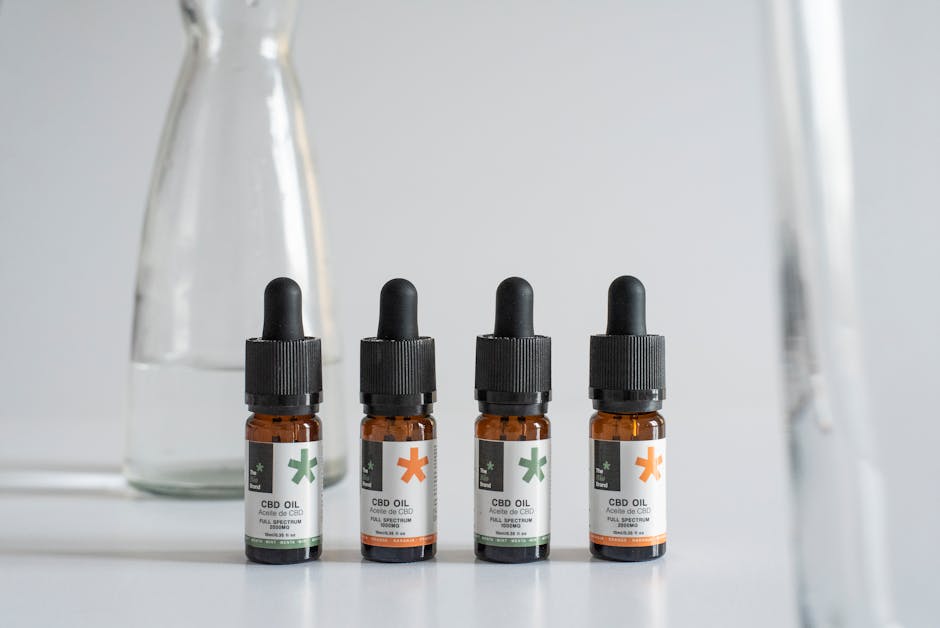
The practical choice often comes down to broad-spectrum vs isolate. Broad-spectrum products are made to include CBD and other hemp compounds while removing THC. CBD isolate is a more purified form of CBD, with most other hemp compounds removed. Full-spectrum products generally retain a wider mix of compounds, including some THC.
This guide explains what those categories mean, how to check batch-specific certificates of analysis (COAs), and why athletes should think about testing risk before buying. It also addresses a Look at this website gap in some product roundups: when no prices are listed, readers cannot make a meaningful cost comparison. No product prices are provided here, so treat this as a shopping and verification guide—not a ranked list or price comparison.
Why athletes started seeing more CBD products
The 2018 Farm Bill removed hemp from the federal Controlled Substances Act definition of marijuana, provided it meets the law’s definition of hemp, including a delta-9 THC limit of no more than 0.3% on a dry-weight basis. That change helped hemp and CBD products move into more mainstream retail settings. It did not mean every CBD product was approved as a food, dietary supplement or medicine, nor did it make every product legal in every circumstance.
That wider availability brought more questions to gyms, pharmacies and neighborhood wellness shops: Is the product actually what its label says? Does it contain THC? Could it affect a drug test? For a tested athlete, those are not minor details. CBD products are not a shortcut to recovery or performance, and evidence for many commonly advertised benefits remains limited or mixed.
Broad-spectrum vs. isolate vs. full-spectrum
These terms describe the intended mix of hemp-derived compounds in a product. They are not, by themselves, proof of purity or quality. Formulas and labeling practices can vary, so check the product’s own batch report rather than relying on the category name alone.
Type What it generally contains What athletes should check Full-spectrum CBD and other hemp compounds, with some THC permitted under the product’s applicable standards. THC amount, serving size, batch results and the athlete’s sport-specific testing rules. Broad-spectrum CBD and some other hemp compounds; the maker says THC has been removed. Whether the batch COA reports THC as non-detectable, and what the lab’s detection limit is. CBD isolate Highly purified CBD, with most other hemp compounds removed. CBD amount and test results for THC, contaminants and identity; “isolate” alone is not a test result.Broad-spectrum: a middle-ground label, not a guarantee
Broad-spectrum products are marketed to people who want CBD along with some other hemp compounds but prefer to avoid THC. The ingredient mix may include minor cannabinoids or aromatic compounds called terpenes. What remains depends on the starting extract and the manufacturer’s processing.
For athletes seeking THC-free CBD, broad-spectrum may look like a compromise between full-spectrum and isolate. But “THC-free” is a claim to verify, not a magic phrase. A product may have trace THC below a lab’s reporting threshold, or a report may test for only some cannabinoids. Ask for the COA tied to the exact batch you would buy.
Isolate: a simpler formula, not a drug-test shield
CBD isolate is a purified form of CBD. It is often chosen by shoppers who want a product with fewer hemp-derived compounds, or who want to avoid intentionally added THC. However, a label saying “CBD isolate” does not establish that the finished product contains no THC. Cross-contamination, manufacturing errors or inaccurate labeling are possible in any category.
That matters because drug tests generally look for particular substances or their metabolites—not for a product’s marketing category. A well-documented isolate may reduce one source of uncertainty, but it cannot eliminate all risk. Athletes subject to testing should consult their governing body and medical staff before using any CBD product.
Full-spectrum: more compounds, more THC consideration
Full-spectrum products are intended to retain a broader range of hemp compounds, including THC within applicable legal limits. Some shoppers prefer them because of the proposed “entourage effect.” For athletes worried about testing, however, the presence of THC can be a significant drawback, even when a product is sold legally as hemp-derived.
The entourage effect, in plain English
The “entourage effect” is the idea that CBD and other compounds from the cannabis plant may influence one another’s effects when present together. Think of it as a proposed team effect: compounds may act differently in combination than they do alone. It is a hypothesis, not a promise that a broader extract will work better, and it does not prove a particular product will improve sleep, pain, recovery or performance.
Research on CBD is still developing, and results from one preparation cannot automatically be applied to every oil, capsule, gummy or topical. Athletes should be cautious about claims that imply guaranteed results or a proven advantage from choosing a particular spectrum.
Drug testing: “THC-free” still needs context
Testing rules depend on the sport, organization, competition and test. The World Anti-Doping Agency (WADA) prohibits cannabinoids during in-competition periods, with CBD treated as an exception. Other cannabinoids, including THC, remain prohibited under WADA rules. Athletes should check the current rules that apply to them rather than assuming that a hemp product is permitted.
A separate concern is contamination or undeclared ingredients. A product’s label Learn here may not match what is in the bottle. Even a product marketed as THC-free could contain a detectable amount, and a batch report cannot guarantee that every bottle is identical or that a person will not test positive. Drug-test outcomes can depend on exposure, timing, individual factors and the test itself.
- Ask your team, clinician or governing organization first. Do not rely on a retailer’s assurance about eligibility.
- Choose a product with a batch-specific COA. The report should match the lot number on the package.
- Check the THC result and reporting limit. “Not detected” means below that lab’s ability to detect or report it—not necessarily absolute zero.
- Keep the package and COA. They can help identify the product if questions arise, but they do not guarantee a test outcome.
- Consider avoiding CBD if the consequences of a positive test are serious. No supplement can promise zero risk.
How to read a batch-specific COA
A certificate of analysis, or COA, is a lab report showing results for a tested sample. “Batch-specific” means the report is linked to a particular production lot, rather than being a generic document for the brand or product line. That connection is essential: a report for one batch does not prove the contents of another.
- Match the lot number. Compare the COA’s batch or lot ID with the package. If they do not match, ask the company for the correct report.
- Check the product and test date. Confirm the report names the relevant product and is recent enough to apply to that batch.
- Review cannabinoid results. Look for CBD and THC, not just a large “total cannabinoids” figure. Check whether results are shown per gram, per serving or per package.
- Look for the detection or quantification limits. A result marked “ND” (not detected) has meaning only in relation to the method’s stated limits.
- Check contaminant testing. Depending on the product, useful panels may cover heavy metals, pesticides, microbes, residual solvents or other contaminants.
- Verify the lab identity and report details. Look for a named laboratory, sample information, methods and an authorized sign-off. If the report is hard to locate or incomplete, contact the company before buying.
A COA is a snapshot of the sample sent to a lab. It is not a full audit of the factory, a medical recommendation or a guarantee that every unit in a batch is identical. The most useful report is one that is easy to retrieve, clearly tied to the lot and detailed enough to answer the buyer’s questions.
What refinement and lab testing can—and cannot—tell you
Manufacturers may use extraction and refinement steps to separate CBD and other compounds from hemp and to adjust the final spectrum. A company may describe steps intended to remove THC, such as additional purification or chromatography. Those methods can affect the final mix, but a description of a process is not proof of its result.

That is where independent testing comes in. A lab test can show what was detected in the sample submitted. It cannot verify every step that happened before sampling, and it cannot prove that a different batch was processed the same way. When a company says it has refined a product to remove THC, look for a matching batch report that tests the finished product—not only a raw ingredient or an earlier extract.
For a practical checklist, note whether the brand provides:
- A COA for the finished product and the specific lot sold.
- A cannabinoid panel that includes CBD and THC results.
- Clear reporting limits and units, so “not detected” is interpretable.
- Relevant contaminant testing and the name of the testing laboratory.
- An explanation of how the company’s refinement claims relate to the tested batch.
Choosing tested sports CBD without overreading the label
If an athlete is considering tested sports CBD, begin with the rules and the risks—not a promise on the front of the bottle. Broad-spectrum may suit shoppers looking for CBD plus other hemp compounds without intentionally included THC. Isolate may appeal to those who want a more purified CBD ingredient. Full-spectrum carries a clearer THC consideration. None of those labels substitutes for a batch-specific COA.
Also check the serving information, ingredients and warnings. CBD can interact with medications, and the U.S. Food and Drug Administration has raised safety concerns, including the potential for liver injury and drug interactions. A pharmacist or clinician can help assess personal risks, especially for anyone taking prescription medication, managing a health condition, pregnant or nursing.
What about price?
Some scraped product articles omit prices, which leaves readers without a fair way to compare value. This guide lists no product prices, so it cannot tell you which option is cheaper. Prices can change by retailer, package size, subscription offers and location. A low sticker price also does not establish quality.
When comparing costs, use the same measures across products: the total CBD per package, the number of servings, the cost per serving, and whether the product provides a current batch COA with relevant testing. Do not compare only bottle size or a “milligrams per bottle” headline. If the company does not disclose enough information to calculate a useful comparison, that is a reason to pause.
The bottom line for athletes
Broad-spectrum vs isolate is a choice about the intended mix of hemp compounds, not a guarantee about safety, effectiveness or drug-test outcomes. Full-spectrum products typically include THC; broad-spectrum products are marketed as having THC removed; and isolate is a purified CBD form. Each category still needs verification.
For athletes who want to reduce uncertainty, prioritize a batch-specific COA for the finished product, check the THC reporting limit, and confirm that the report matches the lot in hand. Review your sport’s rules and talk with a qualified clinician or sports-medicine professional before use. If a positive drug test could threaten your eligibility or livelihood, the most cautious choice may be not to use CBD at all.