How Do Brands Decide They Can Say “Vegan” on a Label?
A vegan claim can look simple: no animal ingredients, no animal testing, and a small leaf-shaped symbol. But the decision behind that word can involve ingredient specifications, supplier questionnaires, manufacturing records, and a close look at parts of the product that aren’t obvious from the front label. For supplements in particular, the capsule shell may matter as much as the active ingredients.
In the United States, there is no single government-issued definition or universal approval process that every company must follow before labeling a product vegan. Brands generally make a self-verified vegan claim based on their own review of the formula and supply chain, or they seek third-party marks from an organization that evaluates products against its certification requirements. Those approaches can offer useful information, but they are not interchangeable—and neither automatically answers every question about manufacturing or athletic-sport testing.
Here’s what brands are typically deciding, what consumers can reasonably infer, and what to check before buying.
What “Vegan” Usually Means on a Product Label
In everyday usage, vegan means that a product contains no intentionally added animal-derived ingredients. For a packaged food or supplement, that could include obvious ingredients such as whey, gelatin, honey, or fish oil, as well as less familiar substances made from animal sources.
The word can also be used more broadly in some contexts to describe a company’s policies or practices. That is why it helps to ask what a particular claim covers. Does it refer only to the finished formula? Does it include processing aids and production equipment? Does it address animal testing? A front-of-package “vegan” statement may not answer all of those questions on its own.
In the U.S., regulators can take action against misleading labeling, but there is not one universal federal vegan certification that every product must receive. Brands therefore need to substantiate their claims and avoid creating a misleading impression. In practice, the detail behind the claim can vary from company to company.
How a Brand Builds a Vegan Claim
A careful review begins with more than scanning the ingredient panel for words like “milk” or “gelatin.” A brand may examine the formula, request documentation from suppliers, assess processing aids, and check the components used to make the product. For a supplement, that review should include the shell, coatings, flavors, and any oils or carriers—not just the headline active ingredient.
- Review the formula. The company identifies each ingredient and checks its source, including ingredients with multiple possible origins.
- Ask suppliers for details. Specifications, origin statements, and written confirmations can help establish whether an ingredient is animal-derived.
- Check the manufacturing process. The brand considers processing aids, shared equipment, and controls for preventing mix-ups or cross-contact.
- Keep records. Supporting documents should be current, traceable to the relevant ingredients or product, and revisited when the formula or supplier changes.
- Choose the level of assurance. A brand may rely on its internal review or apply for independent certification, depending on the product and its business practices.
Good documentation matters because supply chains can change. An ingredient that was once plant-derived may come from a different source later, or a manufacturer may change a capsule supplier. A claim should be reviewed when relevant inputs or processes change—not treated as a permanent fact just because the first version of the product was vegan.
Capsule and Softgel Shells: Check the Outside, Too
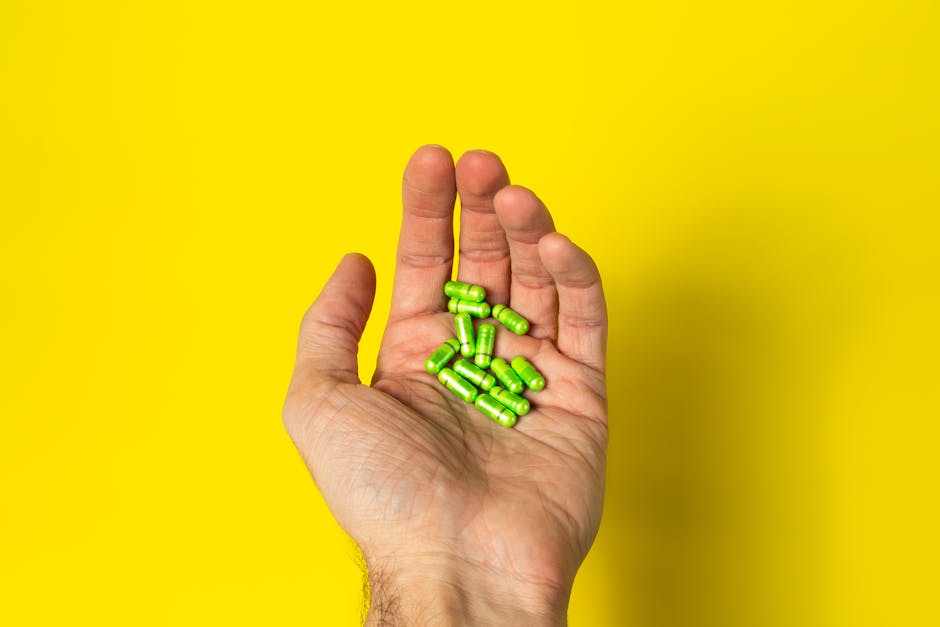
When evaluating a supplement, check the capsule shell before moving on to the active ingredients. “Capsule” describes a format, not a material. A hard capsule may be made from gelatin, which is animal-derived, or from plant-based materials such as cellulose derivatives or other suitable alternatives. The exact material should be identified by the brand or product documentation.
Softgels deserve particular attention. Traditional softgel shells commonly contain gelatin, along with other ingredients used to make the shell flexible. Plant-based softgels are available, but shoppers should not assume that a softgel is vegan just because the oil or active ingredient inside it is plant-based.
Other details can matter, too: glycerin may have different sources, and shell formulas can include colors, stabilizers, or processing ingredients. If the label says only “capsule” without naming the shell material, that is a fair reason to ask the manufacturer for a straight answer. Look for terms such as “vegetable capsule” or a specific shell composition, then confirm with the company if the wording is still vague.
Hidden Animal-Derived Ingredients and Processing Aids
Some animal-derived ingredients are easy to spot. Others have names that don’t reveal their source. Ingredient names alone may not tell you whether a substance came from a plant, an animal, or another source. Examples worth asking about can include glycerin, certain fatty acids, stearates, and some enzymes or flavor components. These ingredients are not necessarily animal-derived; their origin can vary.
Processing aids are substances used during production to help achieve a manufacturing result, rather than to serve as an intended ingredient in the finished product. Depending on the product and applicable labeling rules, a processing aid may not appear in the ingredient list. That means a label review alone may not answer every vegan question.
Brands can ask manufacturers about relevant processing aids and production practices. They may also look into shared equipment and cleaning procedures. This is different from claiming that a facility has never handled animal ingredients. Some vegan standards focus on intentional ingredients and defined contamination controls; they may not require a dedicated, animal-free factory. Consumers should not assume that “vegan” means there is zero possibility of incidental contact unless the company clearly says so and explains the controls behind that statement.
Self-Verified Vegan Claim vs. Third-Party Marks
A self-verified vegan claim means the brand has decided, based on its own review and documentation, that a product meets the company’s vegan criteria. This can be meaningful when the process is thorough and the company is transparent. But the consumer generally has to rely on the brand’s own standards and explanations.
A third-party mark indicates that an outside organization has assessed a product against its own requirements. For example, Certified Vegan is a name consumers may encounter when researching vegan certification. Shoppers should check the certifier’s current criteria and verify that the particular product—not merely the brand or a different product in its lineup—is covered. A logo on a package is most useful when it can be matched to a clear certification program and current product listing.
What you see What it may tell you What to check “Vegan” claim from the brand The company says it has reviewed the product against its own definition. Ask what ingredients, processing aids, and manufacturing practices are included in that review. Third-party vegan mark An outside organization has evaluated the product under its certification rules. Confirm the product is covered and review the certifier’s current scope and requirements. “Plant-based” wording The product may be primarily or partly plant-derived. Do not treat it as a guarantee that every ingredient or component is vegan. “Organic” claim The product meets relevant organic requirements for its category. Organic and vegan are different claims; neither automatically guarantees the other.Third-party certification can add oversight, but it is not a blanket endorsement of every product a company sells. click here It also does not automatically mean a product has been tested for banned substances relevant to competitive sport. Vegan verification and sport certification answer different questions.
What a COA and Batch Lab Reports Can—and Can’t—Prove
A certificate of analysis (COA) is a document reporting results or specifications for a product or ingredient. Depending on the product and the testing performed, it may address identity, potency, microbes, heavy metals, or other quality measures. A COA is useful for understanding certain aspects of product quality, but it does not automatically verify that every ingredient is vegan. Most routine lab tests cannot determine the source of every ingredient or confirm all processing aids used upstream.
Batch lab reports can help connect test results to a specific production lot. That traceability is valuable: it may let a consumer or retailer see which batch was tested and what the reported results cover. But the same limitation applies. A report focused on contaminant levels or potency is not, by itself, evidence of a vegan formula.
For athletes subject to drug-testing rules, look for a separate sport-focused certification or testing program, and verify the current scope and product coverage directly. A vegan mark, a COA, and a banned-substance testing mark are not substitutes for one another.
How to Ask a Brand for a Clear Answer
When a label is vague, a concise question can often resolve the uncertainty. Brands such as Joy Organics may be part of a shopper’s product research, just as editorial resources such as Athleisure Mag can be a starting point for broader label literacy. Neither a retailer listing nor an article should replace checking the exact product and its current documentation.
Try asking the company:
- Is the finished product free of intentionally added animal-derived ingredients?
- What material is used for the capsule or softgel shell, including its glycerin or other shell components?
- Have you checked the sources of ingredients that can be animal- or plant-derived?
- Does your vegan review include processing aids, and what do you mean by that?
- Is the product independently certified? If so, which organization certifies this specific product?
- Do you have a current batch lab report or COA, and what does it test for?
- For athletes, is this exact product covered by a sport-focused banned-substance testing program?
A helpful answer should be specific enough to understand and should distinguish what the company knows from what it cannot confirm. “We use plant-based capsules” is more informative than “our capsules are vegan” if it also names the shell material and clarifies whether other shell ingredients have been checked.
A Practical Way to Read the Claim
To assess a vegan label, start with the full product—not just the logo. Read the ingredient panel, identify the capsule or softgel material, and look for third-party certification that applies to the exact item. If the source of an ingredient or the role of a processing aid is unclear, contact the brand. Review the response alongside any available product specifications, COA, or batch lab reports, while remembering that lab documents may address quality without verifying vegan status.

Most importantly, keep the claims in their proper lanes. “Vegan” is not the same as “plant-based,” “organic,” allergen-free, or sport-certified. A self-verified vegan claim may rest on careful internal controls; a third-party mark adds an outside review under a defined program. Either way, the most trustworthy answer is one that explains what was checked, what standard was used, and where the limits are.